Botanical Prints
1530 – 1920
Four centuries of plants on paper - from the herbal to the florilegium
About Botanical Prints
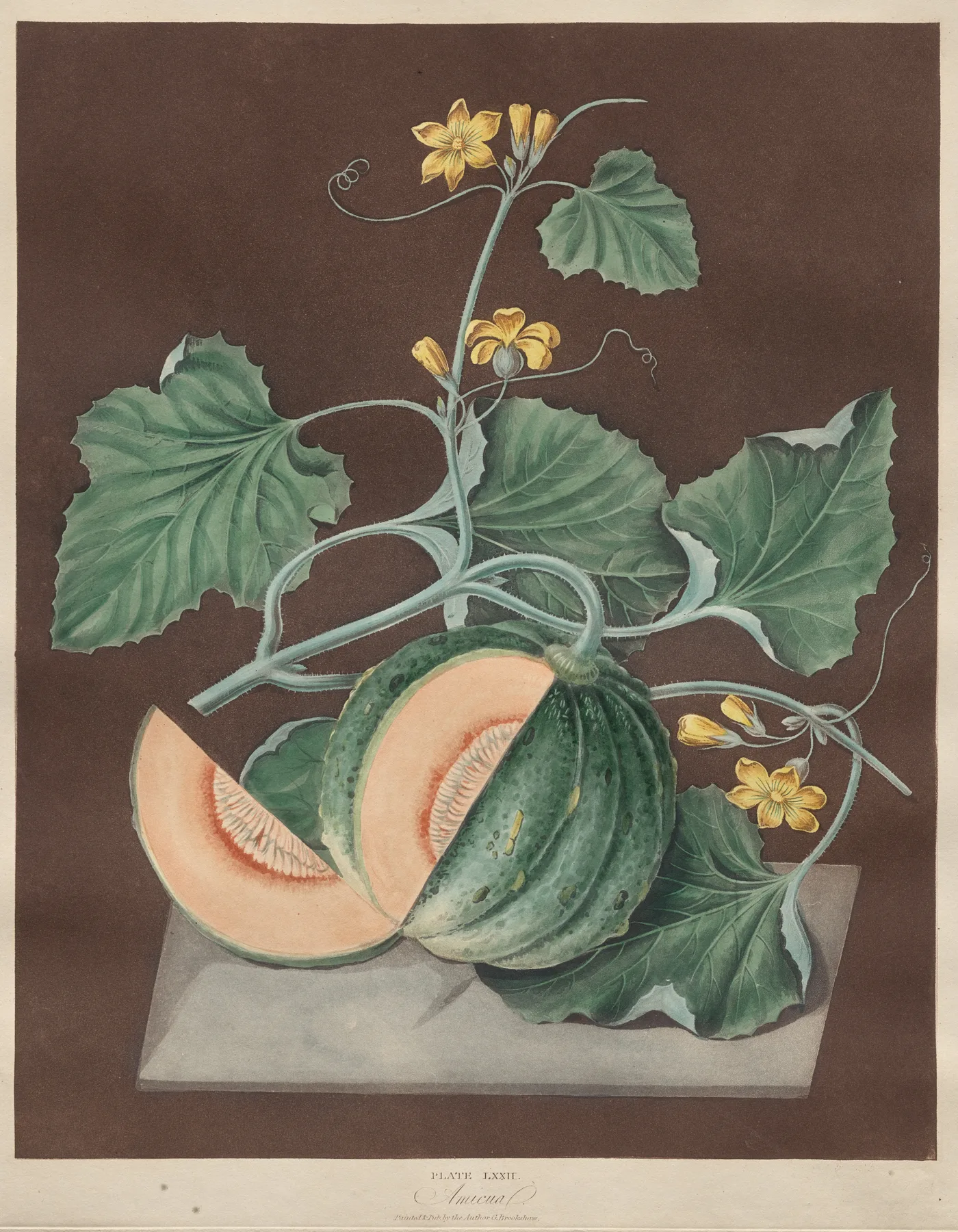
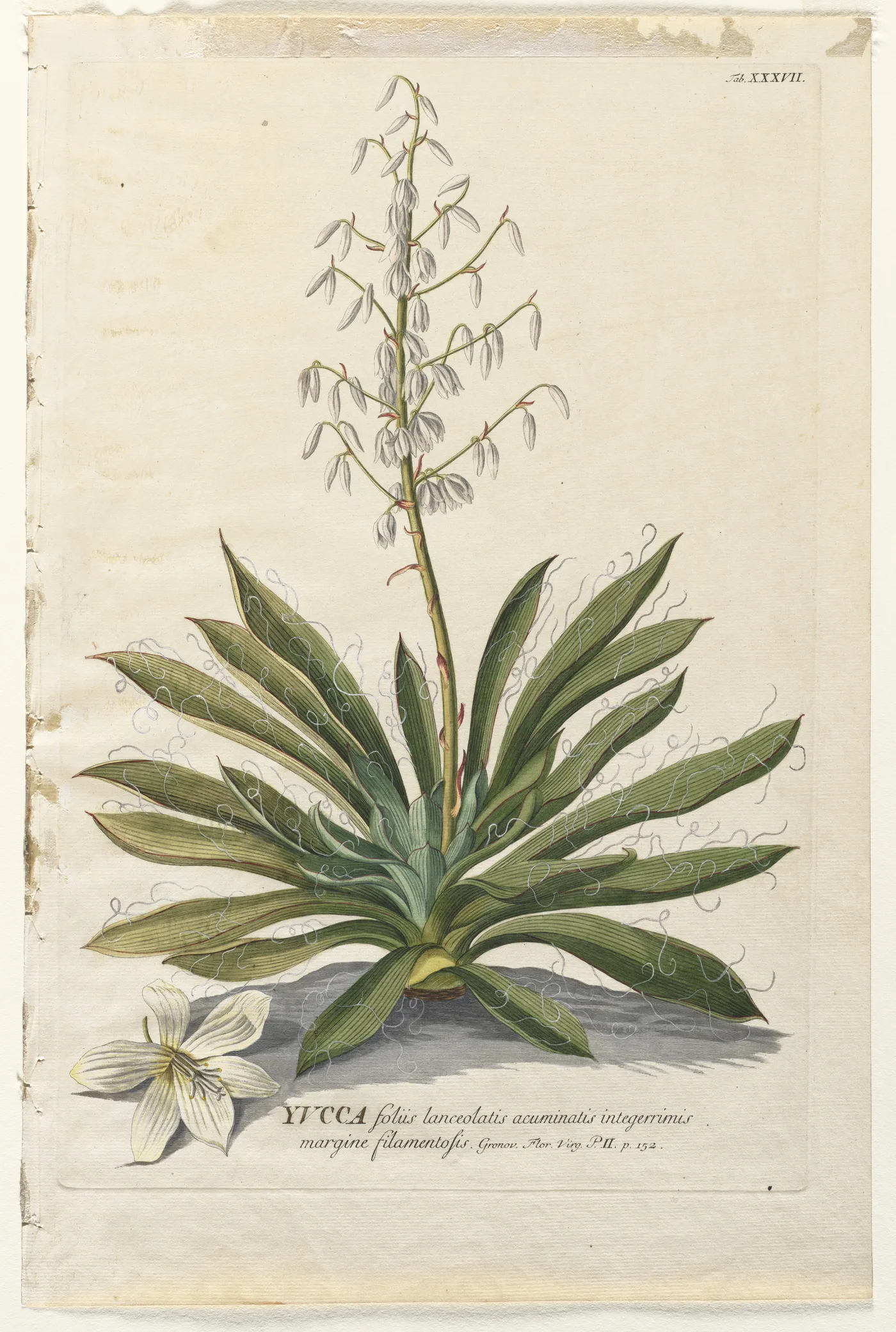
Botanical illustration is the art of drawing and printing plants so that they can be recognised, studied, and admired. Its roots lie in antiquity, in copied manuscripts of Dioscorides' De materia medica, whose pictures were duplicated by hand for centuries and drifted steadily from the living plant. The printing press changed the problem. In the 1530s, Otto Brunfels's Herbarum vivae eicones (1530-36), with woodcuts by Hans Weiditz,…
Read full biography →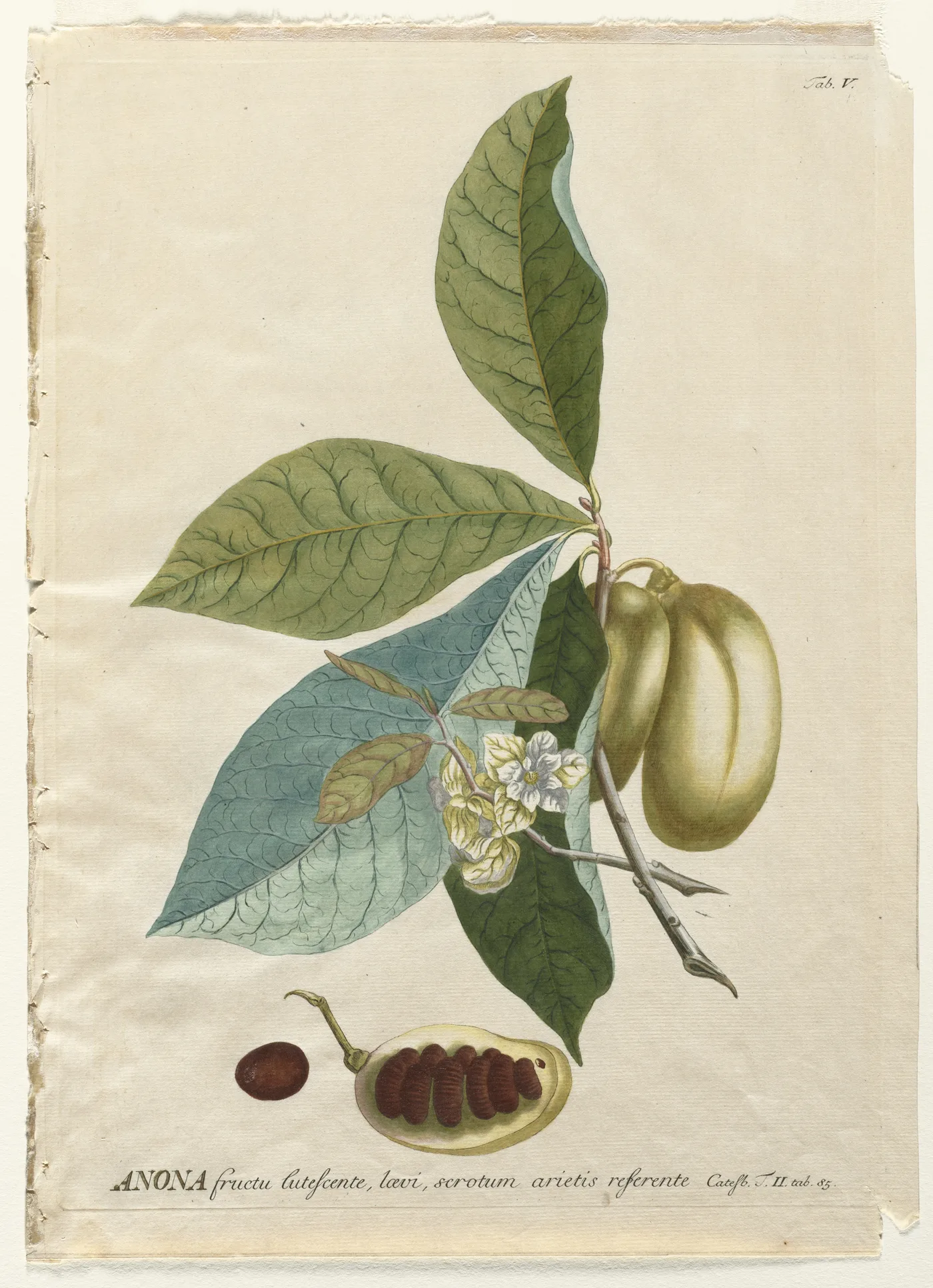
Notable Works
Hortus Eystettensis
A monumental florilegium recording the gardens of the Prince-Bishop of Eichstatt, published by Basilius Besler in 1613 with more than 360 engraved plates. Plants appear life-sized on the page, and a…
Browse the collection →Metamorphosis insectorum Surinamensium
Maria Sibylla Merian's account of the insects and plants she observed in Suriname, published in Amsterdam in 1705 after her travels there. Each plate shows the life stages of an insect on its host…
Browse the collection →Les Liliacees
Pierre-Joseph Redoute's illustrated study of lilies and related plants, issued in parts from 1802 to 1816, with stipple engravings printed in colour. Many of the plants were drawn from the gardens…
Browse the collection →Timeline
Otto Brunfels begins publishing Herbarum vivae eicones, with life-drawn woodcuts by Hans Weiditz
Leonhart Fuchs publishes De historia stirpium in Basel, naming its artists and defending the use of pictures
Basilius Besler publishes Hortus Eystettensis, a landmark florilegium of engraved plates
Maria Sibylla Merian publishes the first volume of her caterpillar book, Der Raupen wunderbare Verwandelung
Merian publishes Metamorphosis insectorum Surinamensium in Amsterdam after her voyage to Suriname
"A picture expresses things more surely and fixes them more deeply in the mind than the bare words of the text."
— Botanical Prints